Unlocking Your Assets: Asset-Based Financing Explained
Your business may have value tied up in equipment, inventory or unpaid customer invoices while cash is tight. Asset-based financing can help turn some of that value into working capital without requiring you to sell the assets outright.
The key is understanding what a funding partner will accept as security, how much usable value it sees and whether the repayment terms fit your business.
Here’s how asset-based financing works, where it can help and what to check before you apply.
What is asset-based financing?
Asset-based financing uses business assets as security for funding. Instead of relying mainly on revenue or credit history, a funding partner also considers the value and quality of the assets supporting the arrangement.
Depending on the product, those assets might include:
- Accounts receivable: money customers owe on eligible invoices.
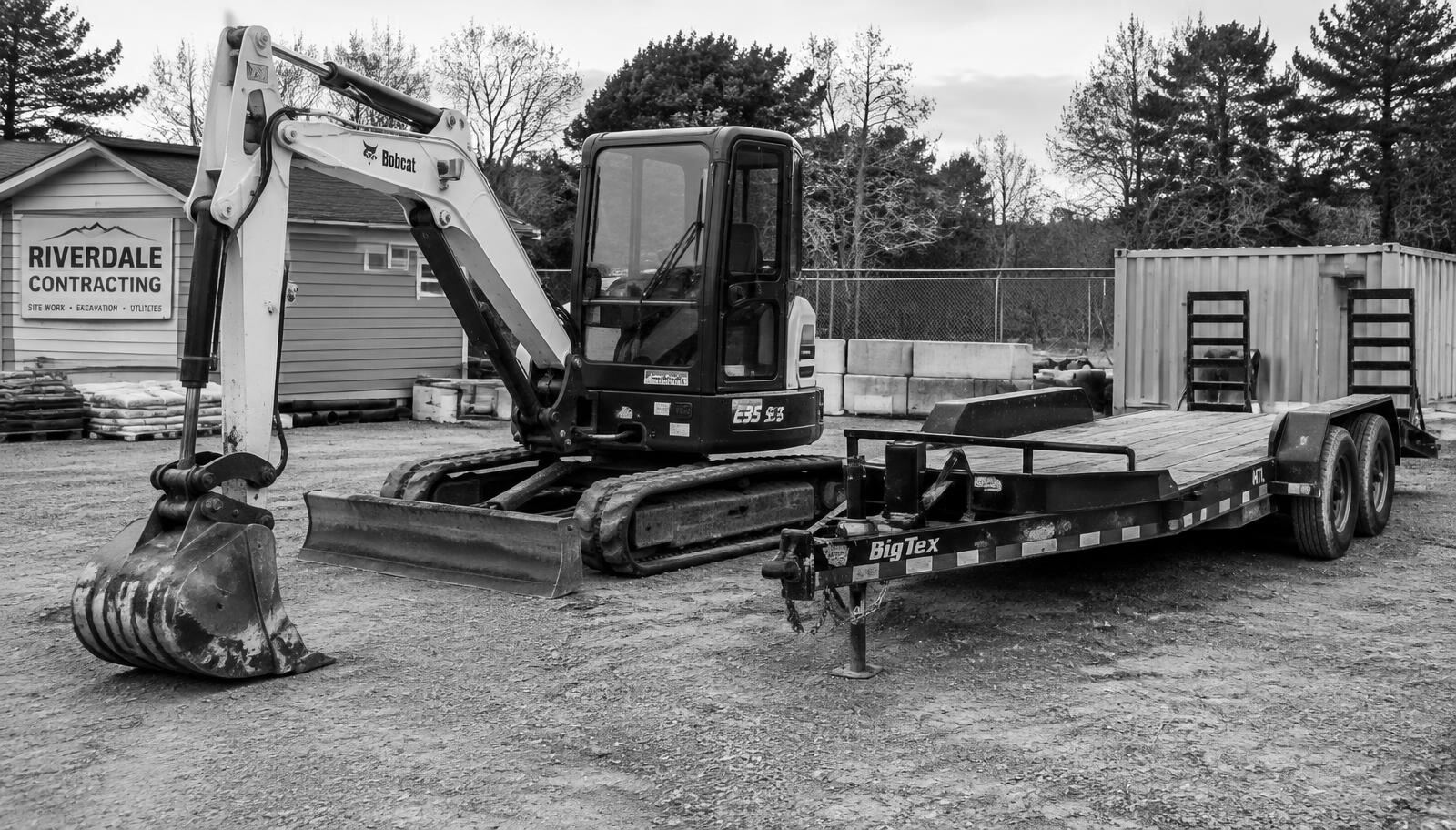
- Equipment: machinery, vehicles or other business equipment with resale value.
- Inventory: saleable stock that meets the funding partner’s requirements.
- Commercial property: real estate that may support property-secured financing.
Not every funding partner accepts every asset type. Some specialize in receivables, while others focus on equipment or property. The structure may be a revolving facility, a term arrangement or another form of secured financing.
How the process works
The process usually starts with a review of your business, its financial position and the assets you want to use as security.
A funding partner may assess ownership, existing claims against the assets, condition, marketability and estimated recovery value. For receivables, it may also review customer payment history, invoice age and how much revenue depends on a few customers.
The amount available is generally based on eligible asset value, not simply the figure shown on your balance sheet. A machine’s original purchase price, for instance, may be quite different from its current resale value.
If financing proceeds, the funding partner typically registers a security interest over specified assets. You will have repayment obligations and may need to provide ongoing financial reports, inventory updates or receivables records.
Which assets are most useful?
Assets tend to be more useful as security when their ownership is clear and their value is straightforward to verify.
For accounts receivable, funding partners may prefer completed sales to creditworthy business customers. Overdue, disputed or highly concentrated invoices may be excluded or receive a lower eligible value.
For equipment, age, condition, maintenance records and demand in the resale market can matter. Specialized machinery may be valuable to your operations but harder for a funding partner to resell.
Inventory assessments often consider whether goods are finished, marketable and likely to sell. Obsolete, seasonal or perishable stock may be treated more cautiously.
Existing financing also matters. An asset already pledged as security may have limited available value for another arrangement.
When it can make sense
Asset-based financing can be useful when your cash flow and operating cycle do not line up neatly.
For example, a wholesaler might need to pay suppliers before its business customers settle their invoices. Financing supported by eligible receivables could help bridge that gap, provided the costs and repayment structure work for the business.
Other potential uses include:
- Purchasing stock ahead of a busy season.
- Supporting payroll and operating expenses during customer payment delays.
- Funding growth when more sales create larger working-capital needs.
- Accessing value in owned equipment while continuing to use it, where the arrangement permits.
The purpose should be clear. Financing can address a timing gap, but it does not fix persistently unprofitable operations on its own.
Costs and risks to understand
Security can support a financing application, but it does not make funding risk-free or ensure approval.
Compare the full cost, including interest, setup charges, valuation expenses, monitoring fees and any unused-facility charges. Ask which costs apply upfront and which continue throughout the arrangement.
Also understand the operating requirements. A revolving facility may have a borrowing limit that changes as eligible receivables or inventory change. Falling asset values or customer payment problems could reduce availability when you need cash most.
If you default, the funding partner may enforce its security and seize or sell pledged assets. Personal guarantees may also be required.
Before accepting terms, ask:
- Which assets are pledged, and how broadly does the security extend?
- How is available funding calculated and reviewed?
- What reporting is required?
- What happens if asset values decline?
- Are there early repayment charges or renewal conditions?
Preparing a stronger application
Start with accurate, current records. Depending on the asset and product, you may need financial statements, business bank statements, an aged receivables report, inventory records, equipment details and information about existing financing.
Be ready to explain how much financing you need, what it will fund and how your business expects to meet repayments.
theBNK is a Canadian business financing brokerage, not a bank or lender. Your personal funding specialist can help you explore options with funding partners and understand what information may be needed. Availability and terms depend on the product, your business, the assets and the funding partner’s assessment.
Ready to explore the value in your business assets? Start your application with theBNK and discuss your needs with your personal funding specialist. theBNK. Always in your corner.
General information only, not financial, legal or tax advice. Funding eligibility, funder approval, costs and timing vary. Submitting an application does not guarantee an offer.